

Molagoda
A potters' village known for centuries-old clay traditions.
0 experiences

Before the road, before the guesthouse, before the word tourism — there was rice, water, fire and a family that shared what was in the pot. This is a record of that life, and of how we visit it without taking it apart.
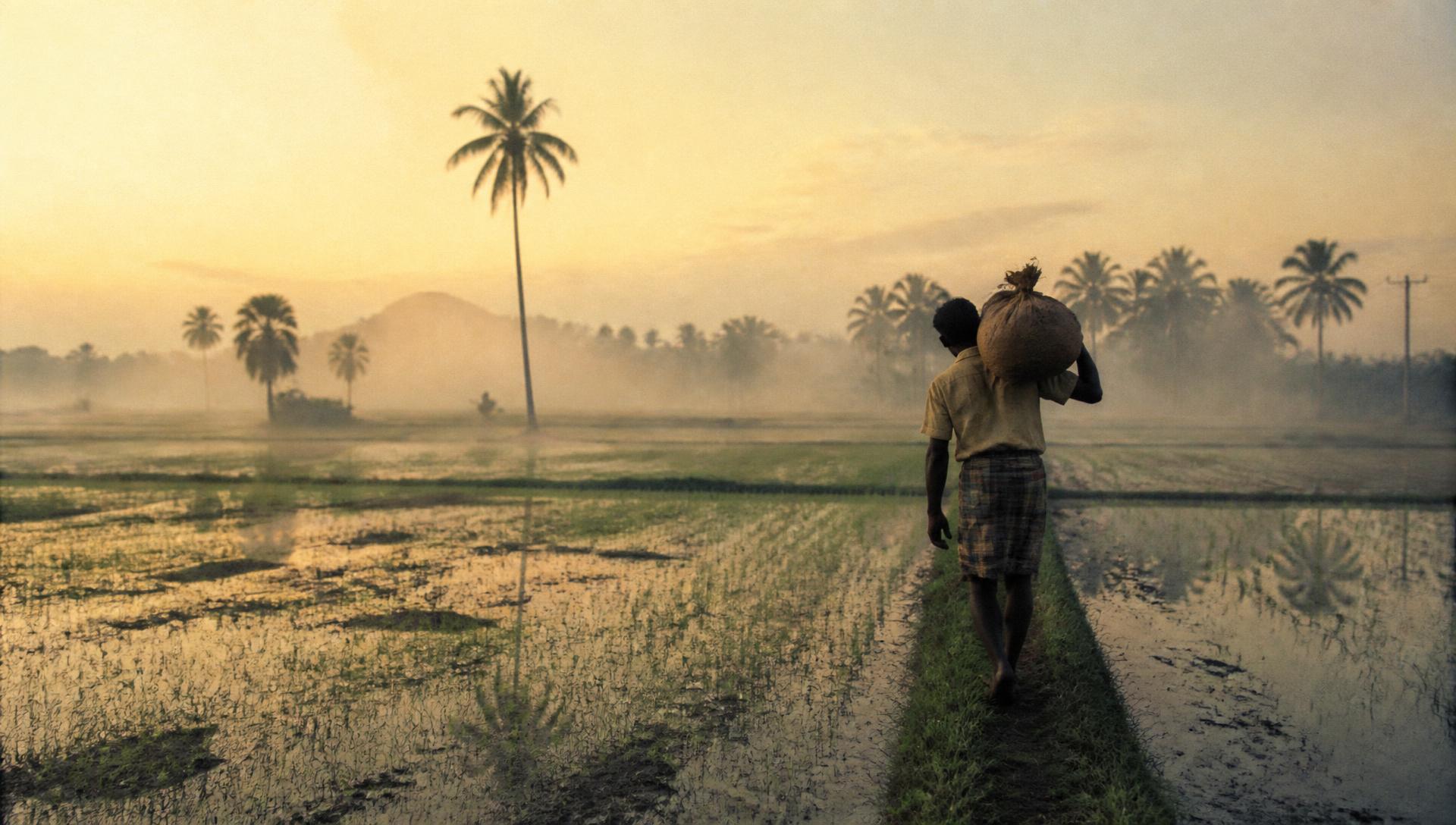
Four in the morning is not early in a village. It is simply when the water moves. Sluice gates open, buffalo shift, someone lights the hearth, and the day begins in a sequence that has not needed a schedule for two thousand years. A traveler who arrives at nine has missed the argument the whole place is built around.
Wings Tail exists to make that sequence economically worth keeping. Not to stage it. The difference is the entire point of this page.
Sri Lanka's dry-zone villages were organised around cascading reservoirs — tanks — engineered before most of Europe had stone bridges. The tank feeds the paddy; the paddy feeds the village; the bund holds the birds. Nothing in that chain survives being visited carelessly.
Guests walk the bunds at first light with the farmer who maintains them, learn why the seedbed is flooded to exactly that depth, and understand — physically, through mud — that this is labour, not landscape.

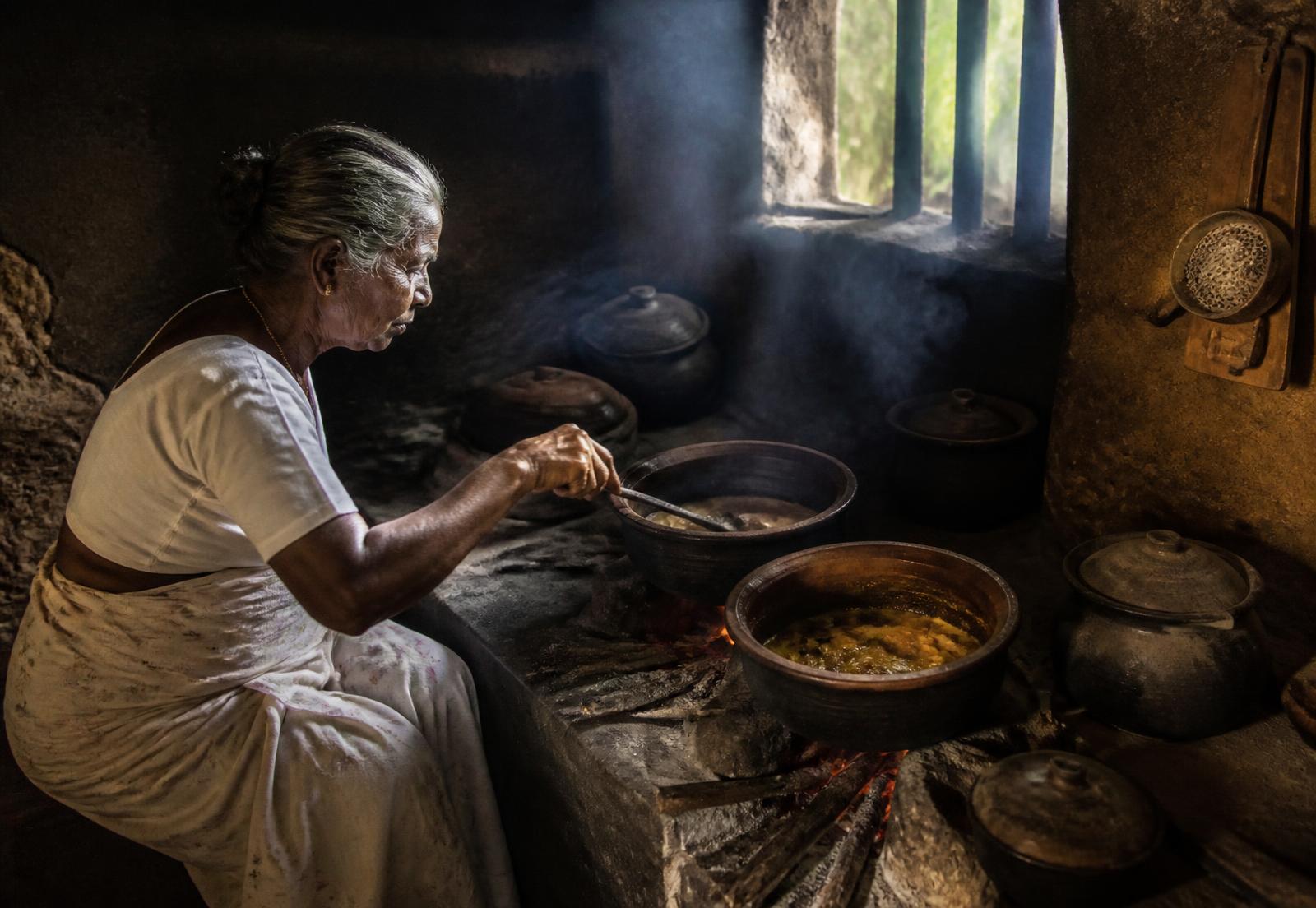
Coconut, jackfruit, gotukola, dried chilli, curry leaf — the ingredients repeat, the hands never do. The clay pot matters. The order of the tempering matters. What we ask of guests is patience: sit low, watch first, then help.
Recipes stay with the family. Hosts keep authorship of their food and their stories; we publish nothing about a household without their consent, and we do not repeat a meal for the camera.
“We are not opening a museum. We are cooking dinner, and you are early.”
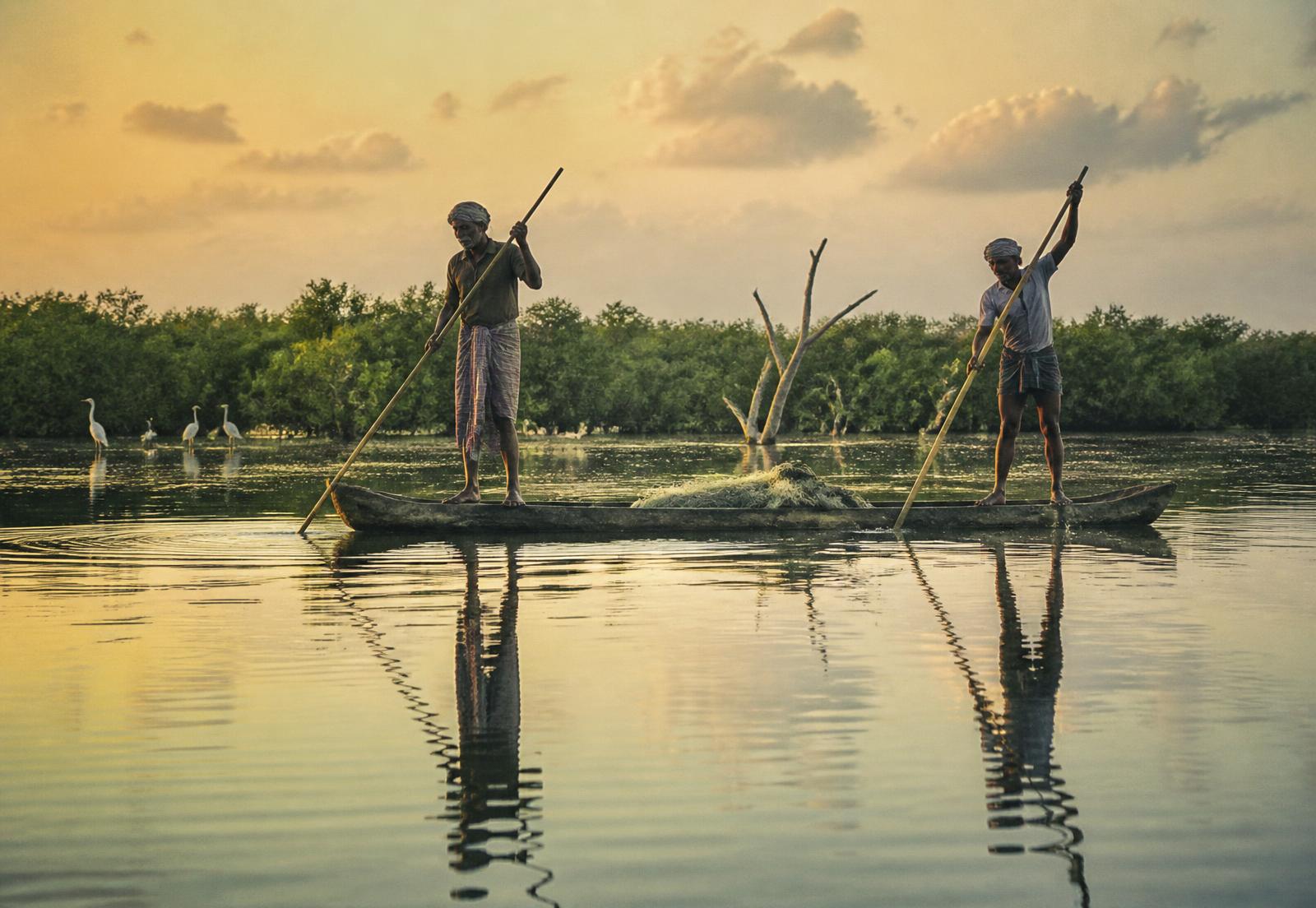
South of the paddy country, mangrove lagoons hold nurseries for fish, storm protection for the coast, and carbon in mud that nobody photographs. Fishermen who pole a dugout at dusk are conservationists with a longer service record than any agency.
Our wildlife rule is one line: observe, do not touch, do not feed, do not chase. No elephant is approached for a photograph. No nest is opened for a better angle.

The dominant share of every booking is host income, paid to the family — never a per-head commission negotiated at the gate.
Experiences cap at six to eight guests, some at two. A group larger than the room changes the room.
Hosts approve their listing, keep their recipes and stories, and can pause bookings at any time without penalty.
You join the week the family is actually having. No costumed welcome, no rehearsed ritual, no dance at the door.
Refill stations replace bottled water on every itinerary, and waste leaves with us, not with the village.
Host earnings and community spend are reported openly, and reviewed by a rotating council of host elders.

A potters' village known for centuries-old clay traditions.
0 experiences

Misty tea country in the Sri Lankan highlands.
0 experiences

Coastal hinterland home to the Beeralu lace tradition.
3 experiences
Or at least arrive on the family's schedule. Choose a chapter of village life to step into — or tell us what you want to understand, and we will build the week around it.